







Search Results for: 9 bar
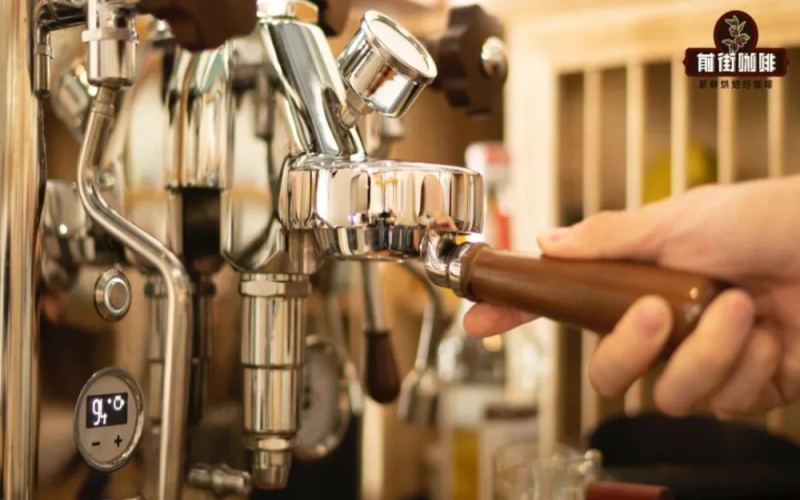
Why Is 9 Bar the Standard for Espresso Extraction Pressure? Measured Differences Between 6 Bar and 11 Bar and Ideas for Parameter Adjustment
In the extraction parameters of espresso, pressure is often regarded as a variable that is not easy to adjust but has far-reaching effects. This time, Front Street Coffee focuses on this "hidden key player"—extraction pressure. The article first clarifies the difference between extraction pressure and pump pressure, then through three comparison experiments at 6 bar, 9 bar, and 11 bar, demonstrates how pressure changes affect flow rate, time, and flavor performance. It then explains why 9 bar has become the factory default for coffee machines, and the burnt bitterness that may result from pressures above 10 bar. Finally, it briefly mentions the trend of variable pressure extraction, providing coffee enthusiasts with a clear reference for understanding pressure and parameter adjustment. [more…]
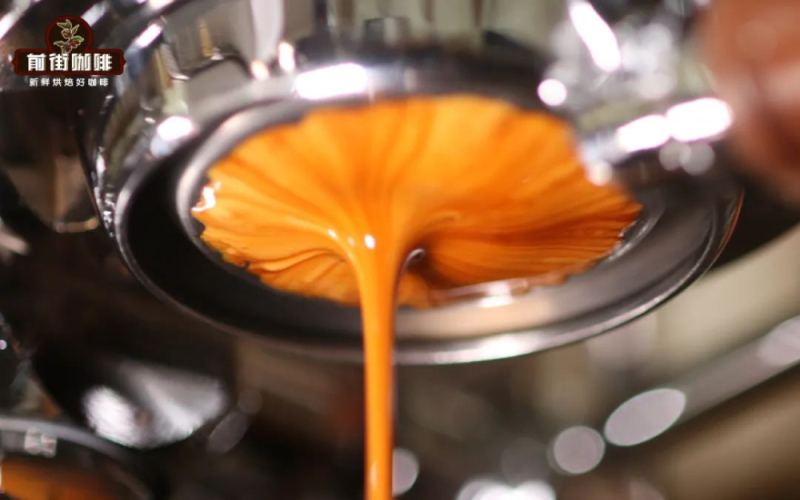
Why Is the Standard Espresso Extraction Pressure 9 Bar? Front Street Coffee Analyzes How Pressure Affects Coffee Flavor and Crema
In espresso extraction, pressure is often glossed over, yet it is a core parameter that determines the direction of flavor. When Front Street Coffee shares espresso knowledge, it repeatedly emphasizes the five key factors: coffee beans, dose, ratio, grind size, and time. But what truly dictates espresso quality is also pressure. This article starts by distinguishing pump pressure from extraction pressure, compares extraction performance at 6 bar, 9 bar, and 11 bar, explains why 9 bar has become the recognized standard, and retains product information for Front Street Coffee's Black Cocoa Base Blend and Queen's Estate, helping coffee lovers understand pressure profiling and the trade-offs in concentration. [more…]
Why Is Espresso Extraction Pressure Locked at 9 Bar? A Complete Analysis from Pump Principles to Flavor Comparison
In espresso extraction, pressure is an often overlooked yet crucial parameter. Starting from Front Street Coffee's extraction practices, this article first sorts out the five core elements—coffee beans, dose, ratio, grind size, and time—and then takes a deeper look at how pressure affects espresso flavor. You'll learn the difference between pump pressure and extraction pressure, the differences between vibratory pumps and rotary pumps, and a practical comparison of coffee performance at three pressures: 6 bar, 9 bar, and 11 bar. The article also traces the origins of 9 bar becoming the industry standard and explores the new possibilities that variable pressure extraction brings for flavor adjustment. [more…]
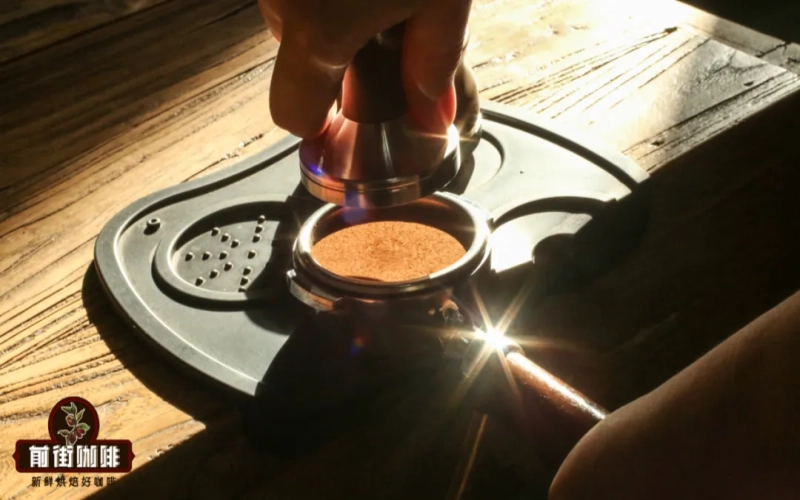
How Much Force Is Needed to Tamp Espresso? A Detailed Explanation of the 9-Bar Pressure Concept and Its Impact on Extraction
Many coffee enthusiasts wonder when making espresso: exactly how much force is needed to tamp the puck? Do light tamping, heavy tamping, or even no tamping at all actually affect the extraction result? This article will use actual extraction experiments to compare the extraction time and flavor performance of espresso under different tamping pressures, and provide an in-depth analysis of the true meaning of the 9-bar pressure in espresso machines. At the same time, Front Street will also share two blended beans suitable for espresso, to help you better understand the practical role of tamping in extraction, and why even applying full force seems insignificant in the face of the coffee machine. [more…]
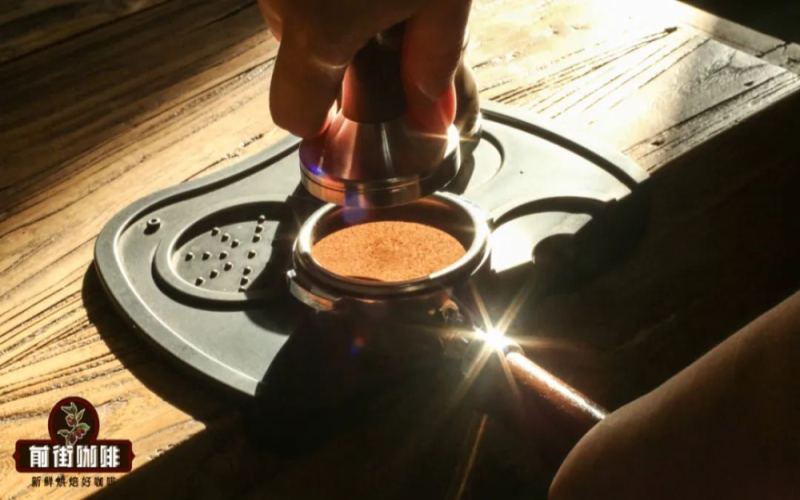
How Much Does Tamping Pressure Affect Espresso Extraction? An Analysis of the 9-Bar Pressure Principle and Distribution Key Points
In the process of making espresso, distributing and tamping coffee grounds are often regarded as the key steps that determine extraction quality. However, how much force does tamping actually require? Do different levels of force really change extraction time and flavor? Through comparative experiments, this article will analyze the differences in espresso extraction time and taste under three conditions: light tamping, heavy tamping, and no tamping, and further explain the actual concept of a coffee machine's 9 bar pressure and its effect on the coffee puck. At the same time, the article will also explain why tamping is still necessary under such high pressure, and how moderate tamping can reduce channeling, allowing hot water to penetrate the coffee bed more evenly, thereby achieving a more balanced espresso flavor. [more…]
How Much Tamping Pressure Is Right for an Espresso Machine? Breaking Down the 9-Bar Extraction Pressure Principle and the Necessity of Tamping
The distribution and tamping steps before espresso extraction have always been a focal point of discussion among enthusiasts. Whether the coffee grounds are evenly distributed in the portafilter basket and whether consistent force is applied during tamping will directly affect the final flavor. But exactly how much force should be used for tamping? Do light tamping, heavy tamping, or even no tamping at all really make a significant difference in extraction time and taste? Through practical testing and comparison, combined with the physical conversion of the 9-bar extraction pressure of an espresso machine, this article reveals the true relationship between tamping force and extraction results, and explains why, even under high-pressure extraction, the step of tamping is still indispensable. In this article, Front Street classic blend coffee beans are used for testing, making it suitable for coffee enthusiasts who want to gain a deeper understanding of the principles of espresso extraction. [more…]
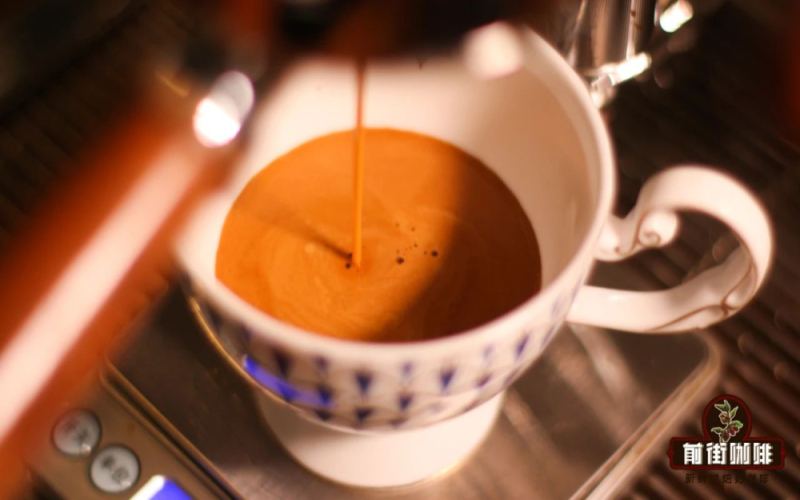
How Does Pressure Influence Espresso Extraction? Analyzing Five Common Faults and the 9-Bar Standard
The extraction quality of espresso is closely tied to pressure, yet various deviations often occur in actual practice. This article starts with five common problems, analyzing one by one the causes behind phenomena such as the sharp acidity of dark-roasted beans, the absence of crema, no liquid output, splashing, and pressure failing to rise, and offers corresponding adjustment approaches. Among these, whether the pressure can be stably maintained above 9 bar directly determines whether the puck resistance is sufficient and whether the espresso reaches the ideal concentration. The article also combines specific beans such as Front Street. Golden Mandheling to explain the relationship between roast level and flavor performance, helping coffee enthusiasts find a balance among variables like grind size, dose, and yield, and extract a cup of espresso with balanced flavor and rich crema. [more…]
The Standard Espresso Extraction Guide: From the First-Generation Machines to the Full Breakdown of 9-Bar Parameters and Brew Ratio
Espresso may appear simple, yet it conceals numerous variables and a great deal of knowledge. From the perspective of Front Street Coffee, this article reviews the evolution of the espresso machine from its first-generation model in 1901 to modern semi-automatic equipment, and provides a detailed breakdown of nine major influencing factors: water pressure, boiler pressure, water temperature, tamping force, grind size, dose, extraction time, extraction yield, and crema. At the same time, using a classic Italian blend as an example, it gives specific operating steps and parameter standards for extracting 40 ml of espresso from 20 g of grounds, helping coffee enthusiasts understand how to consistently make a cup of Espresso with thick crema and balanced flavor. [more…]
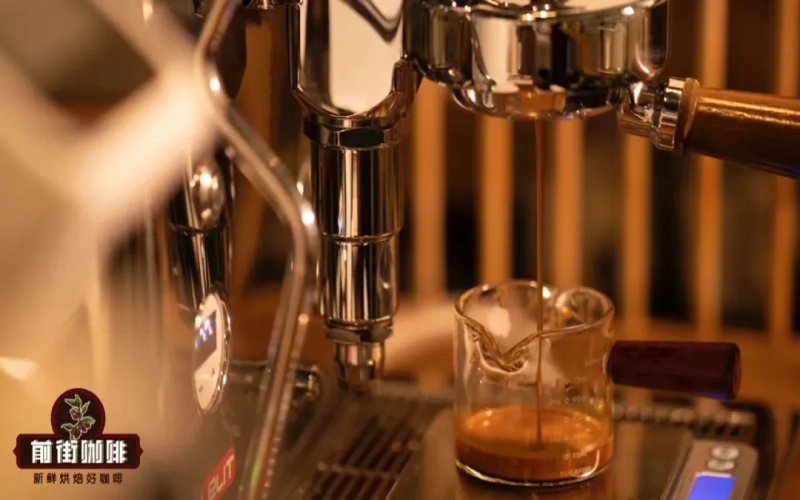
What is the normal extraction pressure for an espresso machine? How should the grind size be adjusted appropriately?
The biggest difference between espresso machines and brewing methods like pour-over and French press is that they use pressurized extraction. It is precisely the presence of pressure that allows espresso to complete extraction in an extremely short time and form that iconic golden layer of Crema. Generally speaking, the extraction pressure of a coffee machine fluctuates around 9 bar, but many home coffee machine users find that the pressure struggles to climb to 9 bar and often stays between 5 bar and 7 bar, resulting in weak and sour coffee. The key behind this actually lies in whether the resistance of the puck is sufficient. This article will analyze the reasons for insufficient pressure and provide specific adjustment suggestions from three aspects: grind size, dose, and tamping force, to help you extract rich and balanced espresso at home as well. [more…]
From Turin's Steam Patent to the 9-Bar Lever: The Origins, Evolution, and Drinking Tradition of Italian Espresso
Espresso is the most recognizable symbol of Italian coffee culture, but its birth was by no means an overnight affair. From the "devil's drink" that entered through the port of Venice in the 16th century, to Clement VIII giving it the name "the drink of God," and then to the layered improvements of the Turin steam-power patent, the Bezzera lever espresso machine, and the Gaggia 9-bar lever, Espresso moved step by step toward modernization. At the same time, Italians developed a unique set of habits: drinking it standing up and quickly, favoring dark roasts with a bold taste, and always having one after a meal. A cup of espresso costing about 1 euro has long been woven into the fabric of daily life. This article sorts out the origins and drinking traditions of Italian espresso, and, combined with four espresso blend beans from Front Street Coffee, provides a practical reference for choosing beans. [more…]
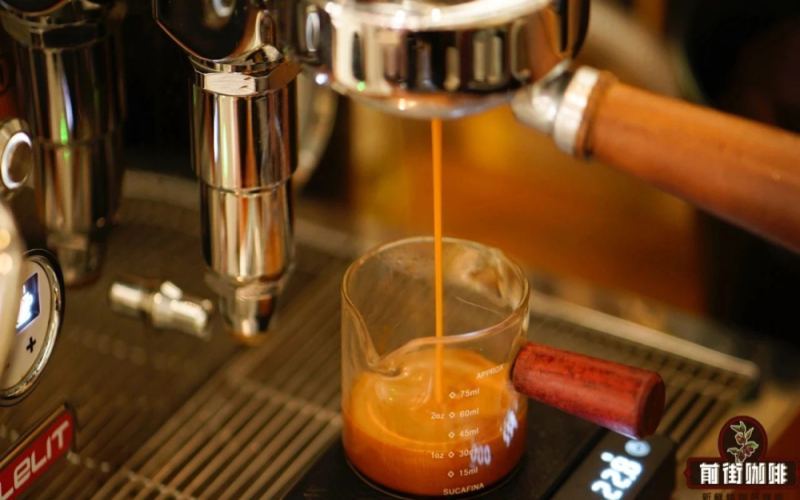
Espresso Tasting Guide: A Systematic Analysis from Historical Evolution to Proper Drinking Methods
Espresso is a favorite of many coffee lovers, but do you really understand it? From the birth of the first espresso machine in 1884 to today's rich crema produced under 9 bars of pressure, espresso has traveled a long path of evolution. This article will systematically explain the basic knowledge of espresso, from its history, principles, and drinking methods to brewing parameters. The baristas at Front Street Coffee will also share a key detail: why is a glass of ice water served alongside an espresso? How exactly should this glass of ice water be used? If you have ever wondered whether espresso can be drunk directly, this article will give you a clear answer. [more…]
How to Determine Espresso Grind Size? Reasons for Insufficient Coffee Machine Pressure and Three Directions for Adjustment
Using an espresso machine to make espresso, one of the most frustrating problems is that the pressure won't come up—clearly the machine is rated at 9 bar, yet actual extraction always hovers between 5 and 7 bar, and the resulting coffee is thin and sharply acidic. Behind this is actually a close relationship with puck resistance. This article starts from the principles of pressure, analyzes why insufficient puck resistance leads to reduced extraction efficiency, and offers three actionable adjustment directions: grind finer, increase the dose, and increase tamping force. At the same time, combined with the characteristics of beans with different roast levels such as Front Street Classic Blend, Commercial Blend, Huakui SOE, and Natural Red Cherry SOE, it explains how the grind setting should be matched, helping coffee enthusiasts bring espresso extraction back into the normal range. [more…]

Pre-infusion in Espresso Extraction: Principles, Effects, and Key Operating Points Explained
In pour-over coffee, blooming is a key step to release carbon dioxide and improve subsequent extraction. So can espresso, before high-pressure extraction, borrow this same idea? The answer is yes—this is what is called "pre-infusion." Starting from the underlying principles, this article will explain the similarities between pre-infusion and pour-over blooming, analyze its actual impact on extraction yield and channeling, and offer specific operating recommendations such as low-pressure water delivery and soaking duration. It will also explain which beans are suitable for pre-infusion and in which situations this step can be skipped, helping you manually make more consistent espresso even on a machine without a one-touch pre-infusion function. [more…]
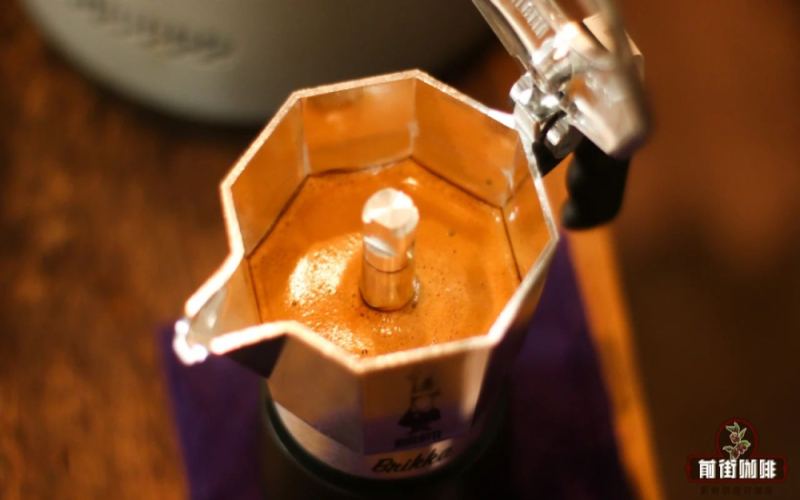
Does Moka Pot Coffee Count as Espresso? A Clear Guide to the Essential Differences Between Moka Pots and Espresso Machines
Many friends who are just getting into espresso consider using a moka pot instead of a semi-automatic espresso machine when their budget is limited. But can that thick black liquid brewed from a moka pot really be called espresso? This article, from the perspective of Front Street, traces the evolution of the espresso machine, compares the differences between moka pots and espresso machines in core parameters such as pressure and brew ratio, and explains in detail how to extract rich crema with a single-valve moka pot—every key step from bean selection and grinding to filling the basket—to help you truly understand the moka pot's position and how to use it. [more…]
The Impact of Tamping Pressure on Espresso Extraction and an Analysis of Proper Distribution and Tamping Methods
In preparing espresso extraction, distribution and tamping are key steps that determine the quality of the final product. Many coffee enthusiasts have asked Front Street Coffee via our backend: exactly how much force should be used when tamping? Through comparative experiments, this article tests the extraction time and flavor performance of espresso under three conditions: light tamping at 2kg, heavy tamping at 18kg, and no tamping at all. Combined with the conversion of a coffee machine's 9 bar pressure, it explains why the amount of tamping force has little effect on the extraction result, while also clarifying that the real purpose of tamping is to eliminate channeling. The article also retains Front Street Coffee's practical advice to help readers master the correct tamping technique and improve the uniformity and mouthfeel of espresso. [more…]
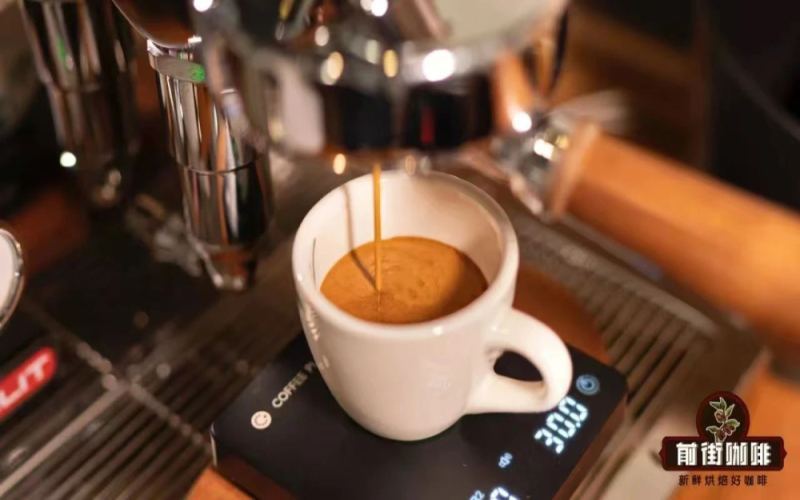
A Comprehensive Analysis of the Origins, Evolution, Standard Extraction Parameters, and Tasting Methods of Espresso
Espresso is the base for many coffee drinks. From its patented design in the late 19th century to the modern 9-bar extraction standard, its evolution has spanned more than a hundred years. This article begins with its historical origins, traces the iterative development of the principles behind making espresso, explains the formation mechanism of crema and the importance of fresh roasting, and provides SCA extraction parameter references. At the same time, using a properly extracted espresso as a sample, it introduces the complete method from cleansing the palate to tasting in three sips. The article also includes the specific recipe and extraction data for the Sunflower Warm Sun blend coffee beans used in Front Street Coffee (FrontStreet Coffee) store output, for coffee enthusiasts' reference. [more…]
Causes and Solutions for Insufficient Pressure in Home Espresso Machines: A Complete Guide from Grinding, Dose, to Tamping
The biggest difference between espresso and atmospheric extraction methods like pour-over and French press is that espresso relies on pressure extraction. Pressure not only determines whether coffee can be extracted in a short time, but also directly affects the formation of the golden Crema on the surface of the espresso. Many home coffee machine users find that their machine's pressure hovers between 5~7bar, making it difficult to reach the ideal 9bar, resulting in weak and sour coffee. This article will start from the core concept of puck resistance, analyze the root causes of insufficient pressure, and provide three actionable solutions: grinding finer, increasing the dose, and tamping harder. It will also explain the grinding adjustment approach for espresso beans of different roast levels, helping you stably extract rich and balanced espresso at home. [more…]
Why are Italians indifferent to freshly ground pour-over coffee? Looking at Italian coffee culture through the evolution of espresso machines
Pour-over coffee has continued to gain popularity worldwide in recent years, yet it has never become mainstream in Italy. This seemingly contradictory phenomenon is in fact closely tied to Italy's centuries-old coffee tradition, its distinctive espresso drinking habits, and its fast-paced lifestyle. From the first introduction of coffee beans at the port of Venice in the 16th century, to the birth of the steam coffee machine in the 19th century, and then to the maturation of 9-bar pressure extraction technology in the 20th century, Italians had long regarded espresso as a daily staple. By comparison, pour-over coffee differs markedly from Italians' consumer perceptions in terms of roast level, strength, price, and preparation time. This article will trace the evolution of Italian coffee culture, analyze the multiple reasons why pour-over coffee has struggled locally, and explore the slowly spreading trend of specialty coffee in Italy. [more…]
Espresso Tasting Guide: From Historical Evolution to Extraction Parameters, Teaching You the Correct Way to Drink
Many people, when first confronted with "espresso" on a café menu, feel both curious and hesitant—how exactly should this small serving of coffee be drunk? Should you knock it back in one gulp or savor it slowly? In fact, tasting espresso (Espresso) follows a set of refined methods. Starting from the daily offerings at Front Street Coffee (FrontStreet Coffee), this article guides you through the evolutionary history of the espresso machine, the principles of extraction, the correct way to drink it, and key production parameters such as dose, grind size, and pressure. Whether you want to understand "is espresso just Italian-style concentrated coffee," or want to learn to taste this concentrated essence like a barista, this article will give you clear answers. [more…]
An Analysis of Espresso Flavor Characteristics and Extraction Principles, with Front Street Coffee's Preparation Process Steps
Espresso is the base of many coffee drinks and a litmus test for a barista's skill. Starting from the daily output at FrontStreet Coffee, this article systematically reviews the historical evolution, extraction principles, and tasting methods of espresso, and breaks down in detail how key parameters such as dose, yield, grind size, and pressure affect flavor. It also shares the complete preparation scheme used at Front Street stores with the Feima E98 espresso machine paired with the Sunflower Warm Sun blend beans, helping coffee enthusiasts understand how to extract a qualified Espresso with rich crema and a full-bodied taste. [more…]